
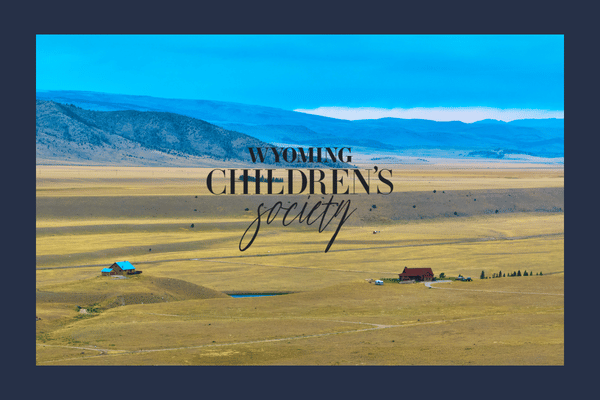
Being pregnant in rural Wyoming can make an unplanned pregnancy feel especially isolating. The nearest hospital, pregnancy resource, or adoption agency may be hours away, and transportation is not always simple. In a small community, privacy can also feel harder to protect when the people working at the clinic, hospital, or local organizations are people you know.
Those challenges are real, but living in a small Wyoming town does not prevent you from exploring adoption. Wyoming Children’s Society works with women throughout the state, including those who live far from Cheyenne or other larger communities. Distance may change how some parts of the process are coordinated, but it does not mean you have to figure everything out on your own.
Adoption Support Is Not Limited to Cheyenne
Searching for adoption agencies from a rural community can be discouraging when the nearest office appears to be several hours away. Fortunately, beginning the adoption process does not necessarily mean repeatedly traveling across Wyoming for meetings.
The first conversation with WCS can start with a phone call or message. From there, we can explain the adoption process in Wyoming, learn more about your circumstances, and identify the practical issues that need to be considered. Where you live, where you receive prenatal care, where you expect to deliver, whether transportation is reliable, and how you prefer to communicate can all help shape a plan that makes sense for your situation.
Privacy Can Feel Different in a Small Town
Privacy takes on a different meaning when everyone seems to know everyone else. The receptionist at the clinic might be a neighbor, a relative could work at the hospital, or simply being seen entering a particular office may feel uncomfortable. Even receiving mail or taking a private phone call can become difficult when you share a home with other people.
Those concerns are worth discussing with WCS from the beginning. Tell us if certain forms of communication are easier or more private than others, or if there are particular circumstances that concern you. Confidentiality matters wherever someone lives, but rural communities can create practical situations that require additional consideration.
Can I Explore Adoption Without Everyone Knowing?
Learning about adoption does not require announcing your plans to your family, friends, coworkers, or community. Some women want time to understand an adoption plan before discussing it with anyone else. Others are concerned about how the baby’s father or family members might react and want accurate information before beginning those conversations.
Contacting WCS is an opportunity to ask questions, not a commitment to adoption. We can also explain confidentiality and any legal or practical circumstances that could affect who eventually needs to be involved. Getting those answers early can help you understand what can remain private and what may need to be addressed later in the process.
What If I Live Hours From Adoption Services?
Long-distance travel is already part of life for many people in rural Wyoming. Prenatal appointments, specialists, groceries, work, and other essential services can require significant driving, and adding unnecessary adoption-related trips can create another burden.
Let WCS know what travel realistically looks like from your community. Some conversations and planning may be possible without an in-person trip, while other parts of the adoption process may require additional coordination. Rather than assuming you can easily travel to Cheyenne, we can begin by understanding where you are and what barriers need to be considered.
What If I Do Not Have Reliable Transportation?
Not having reliable transportation is a much bigger obstacle in a rural area where public transportation may be limited or nonexistent. A broken-down vehicle, lack of money for gas, or dependence on another person for rides can affect prenatal appointments as well as adoption planning. Relying on family, a partner, neighbor, or friend for transportation can also create privacy concerns if that person does not know you are considering adoption.
Do not assume that lacking a car means you cannot explore adoption or place your baby for adoption. Tell WCS about the transportation barriers you are facing so they can be considered as part of the overall plan. Depending on your circumstances, there may also be resources available to help address practical needs during pregnancy.
Planning Around Wyoming Weather and Long Distances
In Wyoming, distance is only part of the travel equation. Snow, ice, high winds, road closures, and rapidly changing conditions can turn a manageable drive into one that is difficult or unsafe, particularly during the winter months. Those possibilities become even more important as your due date approaches.
A rural adoption plan should account for the fact that travel plans sometimes have to change. That could mean discussing backup transportation, what happens if you deliver somewhere other than expected, or how a prospective adoptive family’s travel might be affected. Not every circumstance can be predicted, but thinking through realistic alternatives before delivery can make unexpected changes easier to manage.
Can I Choose an Adoptive Family That Does Not Live Near Me?
Living in a small town does not necessarily limit you to prospective adoptive families who live nearby. Depending on the families available and what matters most to you, location can be one of several factors considered when choosing a family.
Think about how geography fits with the kind of relationship you hope to have after placement. Someone who wants regular in-person visits may place greater importance on distance, while someone else may prefer having more geographic separation and maintaining contact in other ways. WCS can help you consider location alongside factors such as family structure, values, culture, religion, lifestyle, and the level of openness you hope to have.
What Happens When I Go to the Hospital?
Hospital planning is especially important when prenatal care and delivery involve traveling outside your hometown. Some women deliver at their nearest local hospital, while others already expect to travel to a larger Wyoming community for delivery because of available maternity care or medical needs.
Once WCS knows where you expect to deliver, the conversation can include how your adoption plan fits with your hospital experience. That includes preferences about spending time with your baby, when or whether you want the prospective adoptive family present, who you want supporting you, and how much privacy you would like. Discussing these preferences before labor gives everyone a clearer understanding of what matters to you while still allowing room for plans to change.
What If I Go Into Labor Earlier Than Expected?
Rural distance can make an unexpected labor particularly stressful. A baby may arrive early, weather could make the planned hospital difficult to reach, or circumstances could result in delivery somewhere other than originally expected.
If plans change, contact WCS as soon as reasonably possible. An unexpected delivery does not automatically prevent you from considering adoption, nor does it mean an immediate decision has to be made simply because your baby has arrived. WCS can work with the circumstances at that point and explain what steps are available based on where you delivered and how far along you were in the adoption process.
What If I Do Not Contact WCS Until After My Baby Is Born?
Not every woman begins considering adoption early in pregnancy. Sometimes the possibility does not feel real until after delivery. In other situations, a woman may have privately considered adoption for weeks or months but felt too uncertain, overwhelmed, or worried about privacy to contact an adoption agency.
It is still worth reaching out. Start by explaining where you are, when your baby was born, and what you are considering. WCS can explain what options may be available and what would need to happen next. A later start can change the timeline and logistics, but there is no reason to assume on your own that it is too late to ask about adoption.
Rural Wyoming Does Not Mean Fewer Choices
Living in a small community can sometimes make an unexpected pregnancy feel as though there are very few options. Services are farther away, transportation can be difficult, and asking for help may feel less private than it would in a larger city. Those realities deserve to be taken seriously rather than dismissed with the assumption that someone can simply drive to the nearest office.
Working with WCS can begin by identifying those practical barriers. Transportation, communication, prenatal care, hospital coordination, privacy, weather, and distance can all be discussed as part of the adoption planning process. There is no expectation that every logistical problem has already been solved before you make contact.
Considering Adoption in Rural Wyoming
If you are considering adoption in Wyoming from a ranching community, small town, or rural part of the state, you do not need to live near Cheyenne to start asking questions. Wyoming Children’s Society can help you understand the adoption process while taking the realities of rural Wyoming into account.
The first conversation can begin with something as simple as where you live, how far you are from medical care, and what is making the situation difficult right now. From there, WCS can help you understand your options and think through the practical details that matter for you and your baby. Your location may affect the logistics of an adoption plan, but it should not prevent you from having access to information and support.
If you are in northeastern Wyoming, you can also read our resource for women who are pregnant in Gillette.