
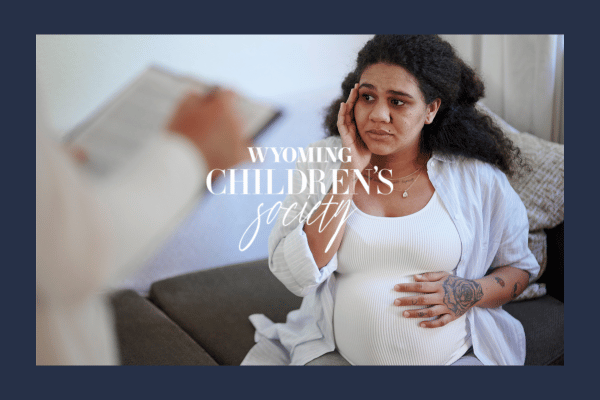
If you are pregnant and struggling emotionally, you may wonder if you can choose adoption with mental health concerns. The answer is yes. Depression, anxiety, trauma, emotional exhaustion, or past mental health treatment do not prevent you from exploring adoption. You also do not need a diagnosis to feel unsure about parenting. Sometimes, you simply know that raising a child does not feel possible right now. At Wyoming Children’s Society, we can help you understand your options without judgment or pressure.
Mental Health Concerns Can Look Different for Everyone
Mental health concerns do not look the same for every woman. You may have been diagnosed with depression or anxiety, or you may have experienced trauma that still affects your daily life. Perhaps you are already seeing a therapist, social worker, or medical provider. You may also be taking medication or have a history of hospitalization.
For someone else, the situation may feel less defined. You might not have a diagnosis at all. Instead, you may feel constantly overwhelmed, emotionally exhausted, scared, or unable to imagine parenting a baby. Those feelings matter, even if they do not fit neatly into a medical diagnosis.
You do not need paperwork proving that you are struggling. You also do not need a doctor to confirm that parenting feels like too much. You are allowed to say, “I do not think I can parent this child.” That statement alone deserves to be heard with compassion and taken seriously.
You Do Not Have to Prove You Are Struggling
Sometimes, women feel pressure to justify why they are considering adoption. They may think their circumstances are not serious enough, or they compare themselves with other women facing different challenges. That comparison can make an already difficult decision feel even heavier.
There is no test you have to pass before considering an adoption plan. Maybe you have stable housing and a job but feel emotionally unable to parent. Perhaps you already have children and know another baby would stretch you beyond what you can manage. You may also be facing an unplanned pregnancy while trying to protect your own mental health.
Choosing adoption is a personal decision. It should be based on what you believe is best for you and your child, not on whether someone else thinks your reasons are good enough.
Can Depression or Anxiety Affect My Adoption Options?
Depression and anxiety can make pregnancy and major life decisions feel more complicated. Depression may leave you exhausted, disconnected, or unable to picture the future. Anxiety can make every possible choice feel frightening, even when you are trying to think carefully.
Neither condition automatically determines what you should do. Instead, we focus on helping you gather information and understand your choices. You can explore the adoption process, parenting resources, financial support, and other options before making a decision.
Learning about adoption does not mean you have committed to it. Contacting an adoption agency also does not obligate you to place your baby for adoption. It simply gives you a chance to ask questions, learn more, and decide what feels right for your situation.
What If I Have Experienced Trauma?
Past trauma can affect how pregnancy feels and how you respond to stressful situations. A pregnancy may bring back difficult memories, relationships may feel unsafe, or medical appointments may cause anxiety. Even conversations about parenting can feel overwhelming when you are already carrying emotional pain.
You deserve support that respects those experiences. At WCS, we want to understand what makes you feel comfortable and safe. You can tell us if certain conversations are difficult, if you need extra time, or if you want someone you trust involved in discussions.
Your adoption experience should not feel like something happening to you. You should remain involved in the decisions that affect you and your baby, while receiving clear information and compassionate support.
What If I Take Mental Health Medication?
Taking medication for depression, anxiety, or another mental health concern does not automatically prevent you from exploring adoption. The same is true if you have received mental health treatment in the past. Your mental health history does not disqualify you from considering an adoption plan.
Your medical care should remain between you and your healthcare providers. An adoption professional can help you understand what information may be relevant during the adoption process. We can also help you separate medical concerns from adoption decisions, so everything does not feel tangled together.
Most importantly, do not stop prescribed medication just because you are considering adoption. Talk with your medical provider before making changes to your treatment. Your health matters throughout your pregnancy, regardless of what decision you eventually make.
What If I Have Been Hospitalized for My Mental Health?
A previous mental health hospitalization does not automatically mean you cannot make decisions about your pregnancy. It also does not determine whether adoption is right for you. Your history is one part of your life, but it does not define your ability to consider your options.
If you are currently receiving care, we can work alongside the professionals already supporting you when appropriate and with your permission. Our role is not to judge your past. Our role is to help you understand your choices and decide what you want moving forward.
You deserve to be treated with dignity throughout the process. A past hospitalization should not stop you from asking questions, learning about adoption, or considering what future feels manageable for you.
What If I Simply Feel Emotionally Unable to Parent?
You do not have to have a mental health diagnosis to consider adoption. Parenting requires emotional energy, time, stability, patience, and long term commitment. Sometimes, a woman knows she does not have the emotional capacity for that responsibility.
That realization can be difficult to admit, especially when other people have opinions about what you should do. However, recognizing your limits can be an important part of making a thoughtful decision. It does not mean you do not care about your baby.
You may love your baby deeply while also knowing that parenting is not the right choice for you. Those two feelings can exist together. Love does not always mean choosing to parent, and adoption does not mean your love is any less real.
You Can Explore Adoption Without Committing to Adoption
Talking with adoption agencies should be about information, not pressure. When you contact WCS, we can explain how adoption works and answer your questions. You can learn about adoptive families, openness, hospital planning, and what support may be available during pregnancy.
You can also take time to think about what matters most to you. Your questions may change as your pregnancy continues, and your feelings may shift from one week to the next. That is a normal part of working through a major decision.
An adoption plan should reflect your needs and wishes. It should never feel like a decision someone else made for you. Our job is to help you understand your choices and support you as you decide what is right.
Confidential Support Can Help You Sort Through Your Options
Sometimes, the hardest part is not knowing where to begin. You may not feel comfortable talking with your family, or the baby’s father may not understand your concerns. Friends may also have strong opinions about what you should do, which can make it harder to hear your own thoughts.
WCS offers a place to talk openly about what you are experiencing. You can ask questions about adoption, parenting, pregnancy resources, financial help, and your next steps. You do not need to have everything figured out before reaching out.
Many women contact us because they are uncertain. You may simply need someone to help you organize your thoughts and understand the choices in front of you. A private conversation can be a starting point, not a commitment.
You Still Deserve to Be Part of Every Decision
Mental health concerns do not erase your voice. You still deserve clear information, respect, and time to ask questions. You should also understand what choices are available to you at every stage.
If you decide adoption is right for you, you can take an active role in creating your plan. You may choose an adoptive family, discuss the type of openness you want, and share your preferences for the hospital. You can also talk about future communication and what kind of relationship feels comfortable.
A supportive adoption agency should help you understand those choices rather than making them for you. At WCS, we want you to feel informed, respected, and involved throughout the process.
Considering Adoption in Wyoming? WCS Is Here to Help
If you are considering adoption in Wyoming while managing depression, anxiety, trauma, emotional stress, or another mental health concern, you do not have to figure everything out alone. You also do not need a diagnosis to ask questions or begin exploring your options.
At Wyoming Children’s Society, we will listen to your concerns and explain what adoption could look like for you. We can help you understand the process while respecting your privacy, your feelings, and your right to make your own decision.
Whether you are ready to create an adoption plan or simply want information, you can start with a conversation. Reach out when you are ready, and we will help you explore the path that feels right for you and your baby.