
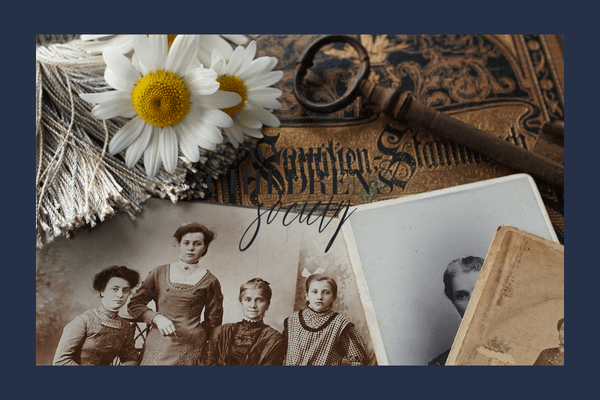
Adoption in Wyoming today looks very different from adoption more than a century ago. Ideas about unmarried pregnancy, children born outside of marriage, infertility, privacy, and family have changed dramatically. Adoption practices have evolved with them, moving away from secrecy and toward greater openness, informed choice, and recognition of the lifelong relationships involved.
Wyoming Children’s Society has witnessed much of that change firsthand. Founded in 1911, WCS has served Wyoming children and families through generations of changing social attitudes and adoption practices. Looking back at that history helps us understand not only where adoption began, but why many of the practices considered important today developed.
Adoption in Wyoming in the Early 1900s
When Wyoming Children’s Society began serving children and families in 1911, there were few of the formal support systems available today. Families facing poverty, illness, death, abandonment, or other difficult circumstances often had limited resources. Children sometimes entered orphanages or other institutional settings when relatives could not care for them.
Attitudes toward unmarried pregnancy were also considerably different. Women who became pregnant outside of marriage could face intense social stigma, and pregnancy was sometimes hidden from friends, employers, and even extended family. Adoption could take place within a culture that prioritized secrecy rather than helping a woman openly process her circumstances and participate in decisions about her child.
The language used during this period reflected those attitudes. Terms that would now be considered insensitive were common, and relatively little attention was given to how adoption might affect birth parents or adopted people throughout their lives.
For Decades, Secrecy Was Considered Normal
As formal adoption practices developed across the United States, confidentiality became a defining feature of many adoptions. Records were frequently sealed, and birth parents and adoptive families often knew little about one another.
Closed adoption became common during much of the twentieth century. A birth mother might have had limited information about the people raising her child and no expectation of future contact. Adoptive families were sometimes encouraged to treat adoption as a private matter rather than an ongoing part of a child’s identity.
Those practices were shaped by the beliefs of their time, but we now understand some of their limitations. Adoptees may want access to biological family information, medical history, cultural background, or answers about the circumstances surrounding their adoption. Birth parents may also want reassurance about the child they placed and the ability to maintain an appropriate connection.
Birth Parents Gained a Greater Voice in Adoption
One of the most important changes in modern adoption has been greater recognition of a birth parent’s role in the adoption process. A woman considering adoption today should not simply be told what will happen to her baby. She can be actively involved in creating an adoption plan based on what she believes is best for herself and her child.
That involvement can include reviewing adoptive family profiles, meeting prospective parents, discussing the relationship she hopes to have after adoption, and making decisions about her hospital experience. She also has legal rights throughout the process and should receive clear information before making permanent decisions.
This shift represents more than a procedural change. It reflects a better understanding that ethical adoption depends on informed consent and respect for the woman making the decision.
Open Adoption Changed What Happens After Placement
Another significant change has been the growth of open adoption. In an open adoption, birth parents and adoptive families can know one another and maintain a relationship after placement. The amount and type of contact varies between families and may include pictures, messages, phone calls, video chats, visits, or other forms of communication.
Openness allows children to grow up with more information about where they came from. Rather than treating a birth family as a secret, adoptive parents can help their child understand that adoption added relationships to their life.
WCS supports open adoption because adoption does not erase a child’s history. Maintaining appropriate connections can give children access to people, stories, cultural ties, and family information that are part of who they are.
We Understand More About the Adoptee Experience
Adoption practice has also changed because professionals have learned more from adopted people themselves. Earlier generations often emphasized how fortunate an adopted child was to have a family while leaving little room for more complicated emotions. Today, there is greater recognition that an adoptee can love their adoptive family while also experiencing curiosity, grief, confusion, or a desire to know more about their biological family.
These feelings are not contradictory. Adoption can involve both connection and loss, and those experiences may take on different meanings as a child grows. Listening to adoptee voices has helped encourage more honest conversations within adoptive families. Children benefit from knowing their adoption story in age-appropriate ways and having permission to ask questions without worrying that their curiosity will hurt their parents.
Adoption in Wyoming Today
Modern adoption is more focused on relationships, informed decision-making, and ongoing support than the adoption system of the early twentieth century. For a pregnant woman in Wyoming, that means she can ask questions before deciding whether adoption is right for her. She can learn about prospective adoptive families, understand her legal rights, discuss openness, create a hospital plan, and receive support during and after pregnancy.
Geography has changed how services are provided as well. Wyoming is a large, rural state, and living hours from an adoption agency should not prevent someone from receiving information or support. We work with women throughout Wyoming, including those who cannot easily travel to Cheyenne.
More Than a Century of Change
Since Wyoming Children’s Society was founded in 1911, Wyoming has changed tremendously, and adoption has evolved along with it. Some practices once considered normal have been replaced as we have learned more from birth parents, adoptees, adoptive families, social workers, and decades of adoption experience.
There will always be more to learn. Ethical adoption requires professionals and families to continue listening to the people whose lives are most directly affected by it. What has changed most over the past century is the understanding that adoption is not simply the legal transfer of parental rights or a single event that ends at placement. It creates lifelong connections among birth families, adoptees, and adoptive families. Modern adoption is strongest when those relationships are approached with openness, honesty, respect, and care.